Public Speaking for Kids: Tips, Benefits & Activities
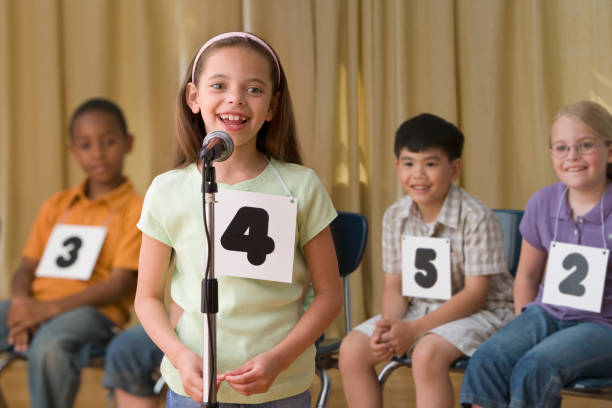
Public speaking for kids is one of the most valuable skills you can nurture in a child today. Whether your child freezes up during a class presentation or dreams of standing on a stage, learning to communicate clearly and confidently shapes how they think, connect, and lead for the rest of their life. And the good news? It is a skill anyone can build, starting at any age.
What Is Public Speaking for Kids, and Why Does It Matter?
Many people mistakenly believe that children’s public speaking only refers to speeches delivered on formal stages. In fact, it is a practice for children to express themselves openly to all types of audiences, covering five types of scenarios: storytelling, classroom presentations, debates, exhibition talks, and explanations of programming projects. A 2025 survey by the
The National Association of Colleges and Employers (NACE) shows that oral communication has ranked among the top three most valued skills for employers across all industries for years. Early practice of this skill can lay a foundation for children’s school years and even their future careers. However, most
Parents only focus on mathematics, reading, and science, and ignore that communication is the core support that enables children to apply what they have learned.
How Does Public Speaking Build Confidence in Children?
Every time a child completes a public speech in front of an audience, their brain labels that experience as a small win. When these experiences accumulate over the long term, they are internalized as a stable set of self-beliefs. A study from the University of Michigan shows that children aged 7 to 12 who received structured public speaking training scored significantly higher
than their peers on self-esteem assessments during middle school. This boost in confidence also transfers to other scenarios, including one-on-one conversations, job interviews, and leadership contexts. The long-term positive value of this early training is clearly established.
What Are the Benefits of Public Speaking for Kids?
The benefits of public speaking for kids go well beyond sounding polished in front of an audience. Here are the core advantages that parents and teachers consistently see:
- Stronger communication skills: Kids learn to organize their thoughts, choose words carefully, and deliver ideas in a way others can understand.
- Better academic performance: Presenting ideas forces deeper understanding. Kids who can explain a concept out loud typically grasp it more thoroughly.
- Reduced fear of failure: Public speaking practice teaches kids that mistakes are survivable and recoverable.
- Improved listening skills: Good speakers are also good listeners. Kids learn to read the room and respond to feedback.
- Critical thinking: Preparing a talk or debate forces children to evaluate arguments, weigh evidence, and form opinions.
- Leadership readiness: Children who speak well naturally step into leadership roles in group projects, clubs, and school events.
- Social connection: Sharing stories and ideas builds empathy and rapport between children.
At Embassy Education, we see this constantly with our coding students. When a child presents their Scratch project or explains their Python game to the class, they are not just showing code. They are practicing structured thinking, managing nerves, and connecting with an audience, all at once.
How Do You Teach Public Speaking to Kids at Different Ages?
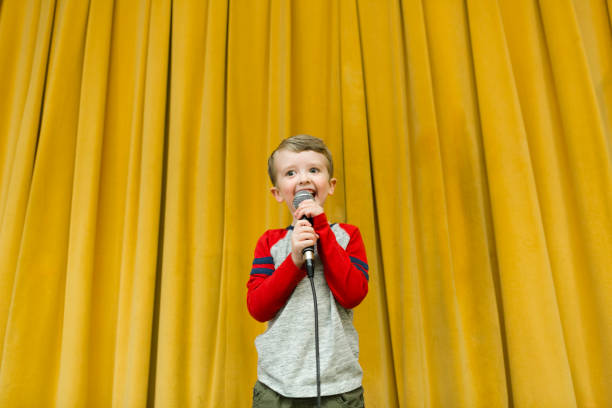
Public speaking for kids looks different depending on the child’s age and developmental stage. What works beautifully for a 6-year-old will bore a 13-year-old, and vice versa. Here is a practical age-by-age breakdown:
Ages 5 to 7: Start With Stories
At this age, the goal is simply to get children comfortable speaking out loud. Keep it fun, low-stakes, and short.
- Use show-and-tell as a weekly habit at home or school
- Ask children to retell their favorite story in their own words
- Play ‘news reporter,’ where the child interviews a family member
- Praise the effort of speaking up, not just the polish
Ages 8 to 10: Add Structure
Children in this range can begin learning a simple framework: opening, middle, and closing. Introduce the idea that a good talk has a beginning that hooks the listener, a middle that explains the main point, and an ending that wraps it up.
- Encourage short, two-minute talks on topics the child loves
- Practice speaking in front of a mirror to build self-awareness
- Record video of talks so kids can review their own delivery
- Start light debates: ‘Should schools have a longer lunch break? Argue your side.’
Ages 11 to 13: Build Real Technique
Preteens can handle real technique: eye contact, pacing, pausing for effect, and handling questions from an audience. This is also the age where fear of judgment peaks, so the environment needs to feel safe and supportive.
- Introduce debate formats and structured argument building
- Have kids present their school projects to the family, not just hand them in
- Encourage joining a drama club, debate team, or public speaking workshop
- Work on vocal variety: volume, speed, and tone
Ages 14 and Up: Refine and Lead
Teenagers can begin preparing TED-style talks, leading school meetings, or mentoring younger students. At this stage, authenticity and storytelling matter more than perfection.
- Encourage personal storytelling: ‘Talk about a challenge you overcame.’
- Practice impromptu speaking: give a one-minute talk on a random topic
- Join Model United Nations, student council, or local youth programs
- Film a short talk and share it with a trusted audience for feedback
Public Speaking Activities by Age: A Quick Reference
Use this table to match activities to your child’s age, skill focus, and available time:
| Age Group | Activity | Skill Focus | Duration |
|---|---|---|---|
| Ages 5–7 | Show and Tell | Basic confidence, eye contact | 2–3 minutes |
| Ages 8–10 | Short Persuasive Talk | Structure, tone, clarity | 3–5 minutes |
| Ages 11–13 | Debate or Panel | Argument building, rebuttal | 5–8 minutes |
| Ages 14+ | TED-style Presentation | Storytelling, audience engagement | 8–12 minutes |
What Are the Best Public Speaking Activities for Kids?
The best public speaking activities for kids combine practice with play. Children learn faster when they do not realize they are ‘doing a lesson.’ Here are activities that actually work:
1. Storytelling Circles
Gather a small group and have each child continue a story. One child starts with ‘Once upon a time…’ and the next picks up where they left off. This builds narrative thinking, listening skills, and confidence in front of peers.
2. Show and Tell With a Twist
Instead of just showing an object, ask the child to explain why it matters to them, how it works, or what they would teach someone else about it. These layers in structure and purpose.
3. Coding Project Demos
At Embassy Education, we build public speaking directly into our coding curriculum. When a student finishes a Scratch game or Python project, they present it to their group. They explain what they built, how it works, and what they would change next time. This connects technical skills with communication skills in a natural, meaningful way.
4. Mini Debates
Pick a simple, low-stakes topic: ‘Is summer better than winter?’ or ‘Should kids get longer recess?’ Assign sides. Give each child two minutes to argue their position. This teaches kids to think quickly, listen actively, and respond to opposing views.
5. The One-Minute Challenge
Set a timer for 60 seconds. Give the child a topic they know nothing about, like ‘Why the moon is made of cheese,’ and ask them to speak for the full minute without stopping. This builds fluency, reduces perfectionism, and gets kids comfortable with imperfect speaking.
6. Puppet Shows and Role Play
For younger children, puppets remove the self-consciousness of speaking directly. Kids often say things through a puppet that they would never say out loud as themselves. This is a fantastic entry point for shy children.
7. Video Blogging
Ask your child to record a short ‘vlog’ about their day, a hobby, or a topic they love. Watching themselves back is one of the fastest ways children develop self-awareness around their delivery, pace, and body language.
What Are the Top Tips for Helping Kids Overcome Fear of Public Speaking?
Fear of public speaking, or glossophobia, affects around 75% of people globally, according to the National Institute of Mental Health. For children, the fear is even more acute because the stakes feel enormous. Here is what actually helps:
- Normalize the nerves: Tell your child that butterflies before speaking are normal. Even professional speakers feel them. The goal is not to eliminate nerves but to speak through them.
- Practice in small steps: Start with one person, then five, then ten. Gradual exposure reduces fear far more effectively than pushing a child into a large group too soon.
- Focus on the message, not the performance: Anxious kids fixate on how they look. Redirect their attention to what they are trying to say and who they are trying to help.
- Celebrate effort over perfection: If your child spoke up, praise that. The content will improve with practice.
- Model it yourself: Let your child see you speak up, make mistakes, and recover. Parents who speak confidently in everyday situations naturally raise children who do the same.
- Use breathing techniques: Teach children to take three slow, deep breaths before speaking. This activates the parasympathetic nervous system and genuinely reduces physical symptoms of anxiety.
Recommended Read: Are Video Games Good for Kids? Benefits & Risks
Public Speaking Milestone Checklist for Kids
Use this checklist to track your child’s progress. These are the key markers of a growing communicator:
How Does Coding Help Kids Become Better Public Speakers?
Coding and public speaking share more DNA than most people realize. Both require clear logical thinking, structured problem-solving, and the ability to communicate a process step by step.
When a child learns to code at Embassy Education, they build their thinking in a linear, organized way: What is the problem? What is my solution? How do I explain it to someone else? Those exact three questions are also the foundation of any great talk.
Children who code regularly develop stronger verbal explanation skills because programming forces them to make their logic explicit. You cannot leave gaps. The same discipline carries over when kids explain their work to a teacher, parent, or peer.
In our experience, children who learn to present their coding projects confidently by age 10 are significantly more comfortable with school presentations, group work, and interviews by their early teens.
Turn Speaking Confidence Into Real-World Skills
Public speaking is powerful, but it becomes even more effective when paired with structured learning. At Embassy Education, children don’t just learn to code; they learn to think clearly, explain ideas confidently, and present their work like real creators. These are the same skills that build strong speakers, leaders, and problem-solvers.
Our online coding courses for kids aged 5–14 are designed to combine technical skills with communication practice, so your child builds confidence in both what they create and how they express it.
Explore Coding & Communication CoursesFrequently Asked Questions About Public Speaking for Kids
Children can start practicing public speaking from age 5 with simple activities like show-and-tell and storytelling. Formal techniques, like structure and vocal variety, work best from age 8 onward. The earlier you start, the more natural it becomes.
Start extremely small. Have your shy child speak to one trusted person, then gradually increase the audience size over weeks or months. Use puppets, storytelling games, or video recordings to reduce the pressure of live performance. Never force it. Gentle, consistent encouragement works far better than pressure.
For children aged 5 to 7, one to two minutes is ideal. For ages 8 to 10, two to four minutes works well. Preteens can manage five to eight minutes. Always keep early talks short enough that the child finishes feeling good, not exhausted.
Yes. Research consistently links strong oral communication skills to better academic outcomes. Children who practice public speaking develop stronger reading comprehension, writing skills, and critical thinking because all three require clear, organized thinking. The overlap is significant.
Yes, several programs offer online coaching, workshops, and classes for children. Many coding schools, including Embassy Education, integrate presentation and communication skills into their curriculum so children build both technical and communication skills simultaneously.
The most common mistake is focusing on the performance too early. Parents often jump to correcting mistakes, rehearsing scripts, or polishing delivery before the child feels safe speaking at all. Build comfort and confidence first. Polish comes naturally once a child wants to improve.
The Bottom Line on Public Speaking for Kids
Public speaking for kids is not a luxury or an extra-curricular afterthought. It is one of the core skills that shapes how children think, learn, lead, and connect throughout their lives. And unlike some skills that require years of study before results appear, you can start seeing real growth in weeks with consistent, low-pressure practice.
Start small. Start early. And make it fun. Whether that means storytelling at dinner, a mini debate in the living room, or presenting a coding project to the family, every chance your child gets to speak up is a step toward a more confident, capable version of themselves.
At Embassy Education, we believe that the best young communicators are also clear, logical thinkers, which is exactly what our coding courses are designed to build. If you want to help your child develop both technical skills and the confidence to share them with the world, explore our online coding courses for kids aged 5 to 14 at Embassy Education.
Ready to help your child think clearly, code confidently, and communicate with purpose? Join Embassy Education today.