Online Coding Camps for Kids: What to Expect & How to Pick One [2026]
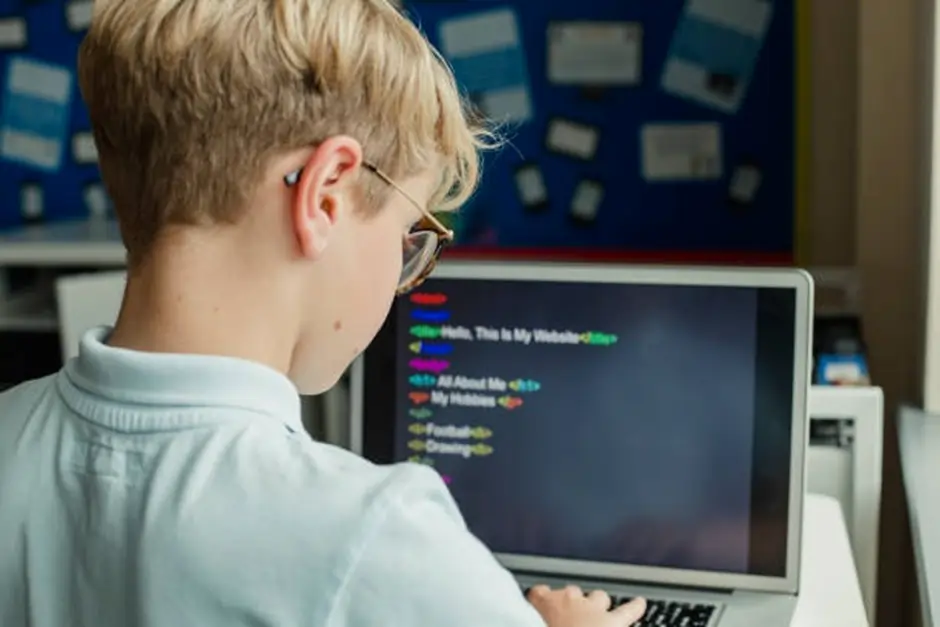
As technology becomes a central part of modern education, more parents are looking for ways to help their children learn digital skills early. One of the most popular options today is online coding camps for kids, which allow students to explore programming in a fun, structured, and interactive environment. These camps provide short, intensive learning experiences where children can build games, create animations, and understand how technology works behind the scenes.
Unlike long term courses, coding camps are designed to introduce programming concepts quickly through hands-on projects and guided instruction. Students often participate in live sessions with instructors, collaborate with other learners, and complete creative coding challenges. This format makes learning both engaging and effective, especially for beginners who are just starting their coding journey.
However, with many programs available online, parents often wonder what to expect from online coding camps and how to choose the right one. In this guide, we will explore how coding camps work, what children typically learn during these programs, and how parents can select the best option based on their child’s age and interests.
What Are Online Coding Camps for Kids?
Online coding camps for kids are short, intensive learning programs that introduce children to programming through interactive lessons and hands-on projects. These camps are typically conducted virtually, allowing students to join live sessions from home while learning coding concepts in a structured environment.
Unlike traditional weekly coding classes that run over several months, coding camps usually take place over a few days or during school holidays. The goal is to help students quickly understand basic programming ideas while building exciting digital projects such as games, animations, or simple applications.
Key Characteristics of Online Coding Camps
Most online coding camps for kids share several important features that make them effective for beginner learners:
- Live instructor led sessions
Students participate in real time lessons where instructors explain coding concepts and guide them through projects - Short and focused programs
Camps are usually designed as intensive learning experiences lasting a few days - Hands on project building
Children learn by creating games, animations, or interactive stories. - Interactive and collaborative learning
Students can ask questions, receive feedback, and interact with classmates during sessions. - Beginner friendly teaching approach
Lessons are designed to make programming easy and engaging for young learners.
Coding Camps vs Regular Coding Courses
| Feature | Online Coding Camps | Regular Coding Courses |
|---|---|---|
| Duration | Short, intensive programs | Long term learning programs |
| Learning Focus | Quick introduction to coding | Progressive skill development |
| Schedule | Holiday or seasonal sessions | Weekly classes |
| Project Outcomes | Small projects in a short time | Larger projects over time |
Because of their interactive and focused structure, online coding camps for kids are an excellent way for beginners to explore programming and discover whether they enjoy learning coding before committing to longer courses.
Benefits of Online Coding Camps for Kids
Online coding camps offer a unique learning experience that combines technology education with creativity and problem solving. Because these programs are short and highly interactive, they allow children to explore programming concepts quickly while working on engaging projects.
Many parents choose online coding camps for kids because they provide structured learning in a supportive environment where students can build confidence and discover their interest in technology.
Key Benefits of Online Coding Camps
- Fast introduction to coding concepts
Coding camps help children understand programming basics within a short time through guided lessons and practical activities. - Interactive learning experience
Live sessions allow students to interact with instructors, ask questions, and receive immediate feedback. - Hands on project development
Instead of only learning theory, students build real projects such as games, animations, and interactive programs. - Encourages creativity and innovation
Coding activities allow children to design their own digital creations while learning programming logic. - Builds confidence with technology
Completing coding projects helps students feel more comfortable using technology and solving digital challenges. - Opportunity to explore new interests
Coding camps give children the chance to discover whether they enjoy programming before enrolling in longer courses.
A Fun and Engaging Learning Environment
One of the biggest advantages of online coding camps for kids is that they make learning technology exciting rather than intimidating. By combining interactive lessons with creative projects, these camps keep students motivated and curious while helping them develop valuable skills for the future.

What Kids Learn in Online Coding Camps
One of the biggest advantages of online coding camps for kids is that they focus on practical learning. Instead of only studying programming theory, students learn by building projects and experimenting with different coding tools. This hands-on approach helps children understand how programming works in real situations.
Coding camps usually introduce students to beginner friendly programming platforms and gradually teach important coding concepts through interactive activities.
Common Topics Covered in Coding Camps
Most online coding camps for kids introduce students to several exciting areas of technology, including:
- Scratch programming
Children learn block based coding to create animations, interactive stories, and simple games. - Game development
Students design games and learn how coding controls characters, scoring systems, and events. - Minecraft coding
Kids explore programming through one of the most popular game environments while building interactive worlds. - Roblox game design
Students learn how games are created and how coding powers game mechanics. - Python programming
Older students may begin learning real coding languages used in software development.
Coding Skills Children Develop
While building projects, students develop several important skills such as:
- Logical thinking
- Problem solving
- Creativity and innovation
- Computational thinking
- Persistence and attention to detail
Example Projects Kids Can Build
In many coding camps, children work on projects such as:
- Simple video games
- Animated stories
- Interactive quizzes
- Virtual worlds and game environments
- Small coding applications
By completing these projects, students gain a deeper understanding of programming while enjoying the process of creating something of their own. This project based approach is one of the reasons why online coding camps for kids have become increasingly popular among parents looking for engaging technology education programs.
What to Expect in an Online Coding Camp
Parents often wonder what a typical day looks like in online coding camps for kids. While each program may vary slightly, most coding camps follow a structured format that combines instruction, practice, and project development. This approach helps students learn programming concepts while staying engaged throughout the sessions.
Coding camps usually focus on interactive learning, where instructors guide students through coding activities and encourage them to experiment with their own ideas.
Typical Structure of an Online Coding Camp
| Feature | What Students Experience |
|---|---|
| Live Lessons | Instructors explain coding concepts through interactive sessions |
| Guided Exercises | Students practice coding step by step with instructor support |
| Hands-on Projects | Children build games, animations, or small programs |
| Collaboration | Students can ask questions and interact with classmates |
| Final Project | Each student completes a coding project by the end of the camp |
Daily Learning Activities
During online coding camps for kids, students typically participate in several engaging activities such as:
- Learning basic programming concepts through demonstrations
- Building coding projects step by step with instructor guidance
- Solving small coding challenges and puzzles
- Testing and improving their projects
- Presenting their work at the end of the program
Supportive Learning Environment
Good coding camps maintain small class sizes and provide individual guidance so that every student receives attention and support. Instructors help children understand programming concepts while encouraging creativity and experimentation.
This supportive and interactive structure makes online coding camps for kids an excellent introduction to programming, especially for beginners who want to explore coding in a fun and engaging way.
How to Choose the Best Online Coding Camp for Kids
With many options available today, selecting the right online coding camps for kids can feel challenging for parents. Each program may offer different teaching styles, programming languages, and learning experiences. Choosing the right camp can make a big difference in how much children enjoy learning coding.
Parents should look for programs that provide interactive lessons, structured learning paths, and project based activities. These elements help children stay engaged while developing real coding skills.
Key Factors to Consider
1. Age Appropriate Curriculum
The best coding camps organize lessons based on age groups. Younger children usually learn visual programming tools, while older students may begin learning real programming languages like Python.
2. Programming Languages and Platforms
Different camps may focus on different technologies. Some popular platforms used in coding camps include:
- Scratch for beginner coding
- Minecraft coding environments
- Roblox game development
- Python programming for older students
Choosing the right platform depends on the child’s interests and experience level.
3. Project Based Learning
Effective coding camps focus on hands-on projects rather than only theory. When students build games, animations, or small programs, they understand programming concepts more easily.
4. Instructor Experience
Experienced instructors play an important role in helping children understand coding. Skilled teachers can explain complex concepts in simple ways and support students when they face challenges.
5. Class Size and Student Support
Smaller class sizes often allow instructors to provide more individual guidance. This helps children stay engaged and receive feedback on their projects.
Quick Checklist for Parents
Before choosing a camp, parents can ask the following questions:
- Is the curriculum designed for my child’s age group?
- Does the program include live instruction and interactive sessions?
- Will students build real coding projects?
- Are the instructors experienced in teaching children?
- Does the camp provide a supportive learning environment?
Considering these factors can help parents select online coding camps for kids that provide both educational value and an enjoyable learning experience.

Best Age to Join Online Coding Camps
Children can start learning coding at different ages depending on their curiosity, learning ability, and interest in technology. The key is to choose online coding camps for kids that match the child’s developmental stage. Age appropriate programs ensure that students learn at the right pace while staying motivated and engaged.
Many coding camps organize their curriculum based on age groups so that students gradually progress from simple visual programming to more advanced coding languages.
Ages 5–7: Beginner Coding Exploration
Children in this age group are just beginning to explore digital tools and logical thinking. Coding camps for younger learners usually focus on visual programming and creative activities.
Students may learn:
- Basic coding logic through block based programming
- Creating simple animations and stories
- Controlling characters and objects in digital projects
- Developing creativity and imagination
Visual coding platforms such as Scratch Junior are often used because they make programming easy and engaging.
Ages 7–10: Building Coding Confidence
At this stage, children can begin learning more structured programming ideas while still using visual tools. Coding camps may introduce game creation and interactive projects.
Students may learn:
- Creating simple games and animations
- Understanding loops and conditions
- Designing interactive digital projects
- Improving logical thinking skills
Platforms such as Scratch help students develop foundational programming skills.
Ages 8–12: Learning Through Game Development
Coding camps for this age group often focus on game based programming environments. Students enjoy learning coding through familiar platforms while developing deeper programming logic.
Children may learn:
- Game design and development concepts
- Coding inside virtual environments
- Problem solving through interactive challenges
- Creative world building
Platforms such as Minecraft and Roblox are commonly used for this stage.
Ages 10–14: Introduction to Real Programming
Older students are ready to start learning text based programming languages. Coding camps may introduce languages such as Python that are widely used in real world technology.
Students may learn:
- Writing simple Python programs
- Understanding variables and loops
- Building small applications or games
- Developing stronger problem solving skills
Ages 12+ : Advanced Coding Skills
Teenagers who already understand programming basics can explore more advanced coding topics. Coding camps at this level often focus on deeper programming concepts and larger projects.
Students may learn:
- Advanced programming techniques
- Developing complex applications
- Algorithmic thinking
- Preparing for computer science education
By choosing age appropriate online coding camps for kids, parents can ensure that children develop coding skills step by step while enjoying the learning process.
Online Coding Camps vs Weekly Coding Classes
Parents often wonder whether online coding camps for kids are better than regular weekly coding classes. Both options help children learn programming, but they offer different learning experiences. Understanding the differences can help parents decide which format suits their child’s needs.
Coding camps are usually short and intensive programs designed to introduce programming concepts quickly. Weekly classes, on the other hand, focus on long term skill development and gradual learning.
Key Differences
| Feature | Online Coding Camps | Weekly Coding Classes |
|---|---|---|
| Duration | Short programs lasting a few days | Long term courses lasting several weeks or months |
| Learning Pace | Fast and intensive | Gradual and structured |
| Schedule | Often during holidays or special sessions | Regular weekly lessons |
| Focus | Quick introduction and project building | Progressive learning and deeper skills |
| Ideal For | Beginners exploring coding | Students committed to long term learning |
When Coding Camps Are a Good Choice
Online coding camps can be especially useful when children:
- Want to explore coding for the first time
- Prefer short and engaging learning experiences
- Enjoy learning through intensive project based activities
- Have school holidays or free time for short programs
When Weekly Coding Classes Are Better
Regular coding classes may be more suitable when students:
- Want to develop advanced programming skills
- Prefer steady learning over time
- Plan to pursue deeper computer science knowledge
- Want continuous instructor support and long term projects
In many cases, both options complement each other. Some children begin with online coding camps for kids to explore programming and then continue with weekly coding courses to build stronger skills over time.
Online Coding Camps at Embassy Education
Parents who are searching for engaging and structured online coding camps for kids often look for programs that combine interactive learning with real project development. Well designed coding camps help children explore programming while building confidence and creativity in a supportive environment.
The Online Virtual Coding Camps for Kids offered by Embassy Education provide a structured learning experience where students can discover the fundamentals of coding through guided lessons and hands-on activities. These camps are designed for children between the ages of 5 and 14, allowing students at different learning levels to explore programming concepts in an engaging way.
During the camp, students participate in live instructor led sessions where they learn coding step by step while building creative projects. The program focuses on practical learning, encouraging students to experiment with technology while developing logical thinking and problem solving skills.
What Students Experience in These Coding Camps
Students joining these camps can expect:
- Interactive live coding sessions with experienced instructors
- Hands-on projects such as games, animations, and interactive programs
- Beginner-friendly programming tools suitable for young learners
- Opportunities to ask questions and receive guidance during lessons
- A collaborative learning environment where students can share ideas
By combining structured lessons with creative activities, these online coding camps for kids help students explore programming in a fun and motivating way while building valuable digital skills.
Learn More About the ProgramsSigns a Coding Camp Is High Quality
Not all coding camps provide the same level of learning experience. When choosing online coding camps for kids, parents should look for certain indicators that show whether a program offers meaningful education and a supportive learning environment. High quality coding camps focus on helping students understand programming concepts while encouraging creativity and problem solving.
Recognizing these qualities can help parents select a program that truly benefits their child’s learning journey.
Characteristics of a High Quality Coding Camp
Structured Curriculum
A well designed coding camp follows a clear curriculum that introduces programming concepts step by step. Students should gradually move from simple tasks to more complex projects.
Age Appropriate Learning
Good coding camps organize students by age group and learning level. This ensures that lessons are neither too easy nor too difficult for the participants.
Project Based Learning
The best coding camps focus on practical learning. Students should build projects such as games, animations, or simple programs that help them understand how coding works in real situations.
Experienced Instructors
Qualified instructors are essential for effective learning. Teachers who specialize in coding education can explain programming concepts clearly and guide students through challenges.
Small Class Sizes
Smaller groups allow instructors to provide more individual attention. This helps students receive feedback on their projects and ask questions when they need help.
Encouraging Learning Environment
A supportive environment where children feel comfortable experimenting and asking questions helps them stay motivated and curious about technology.
When parents look for these qualities, it becomes much easier to identify online coding camps for kids that offer both educational value and an enjoyable learning experience.
Frequently Asked Questions About Online Coding Camps for Kids
Scratch programming
Minecraft coding environments
Roblox game development
Python programming for older students
These tools help children gradually develop programming skills as they progress through different learning stages.
Conclusion
Technology is becoming an important part of education, and learning coding at an early age helps children develop valuable skills such as logical thinking, creativity, and problem solving. Online coding camps for kids provide a fun and engaging way for students to explore programming while building interactive projects.
These camps offer short, structured learning experiences where children can experiment with coding tools, learn from experienced instructors, and collaborate with other young learners. By choosing a program that matches a child’s age and learning level, parents can help their children build confidence and curiosity about technology.
Parents who want to introduce their children to programming in an interactive and supportive environment can explore the Online Virtual Coding Camps for Kids available here: Coding Camps For Kids.
Editor: Michael Mitryakov | Writer: Negin
Did you Like this article? Hit the button :)
Array